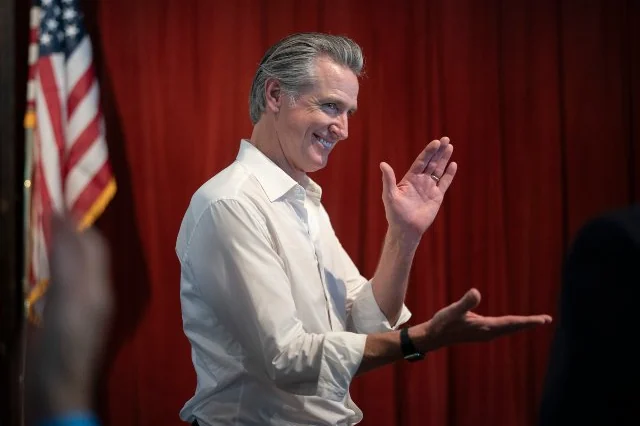
Newsom signed two California bills setting rules for outside evaluation of AI systems, with backing from OpenAI and Anthropic. Here's what the framework changes for teams building on top of these models.
California Gov. Gavin Newsom signed two bills on Wednesday that establish new rules for how outside groups evaluate AI systems for safety, according to Breitbart News Network. Both OpenAI and Anthropic backed the legislation. The signing landed at the end of a week in which a former researcher at both companies made a public exit that amplified concerns about the risks the technology carries.
What the bills actually do
The core of the package is about evaluation: who performs it, and under what conditions. The bills set requirements for how third parties assess AI systems for safety rather than dictating what those systems must be able to do or not do. That distinction matters more than it might sound like on first read.
OpenAI and Anthropic both supported the bills. That is not a trivial detail. The two labs most associated with frontier model development putting their weight behind a state-level evaluation framework suggests they see more upside in a defined process than in an undefined one. It also means the rules were shaped with input from the companies they will apply to, which is either a sign of a workable compromise or a sign the framework has been softened to the point of comfort for the largest players. Both readings are defensible from the facts available.
The timing is not incidental. A researcher who had worked at Anthropic and OpenAI left publicly that same week, and the exit fed directly into the broader anxiety about where these systems are heading. Legislators signing safety rules days after a credibility moment like that is a familiar pattern: the political window for AI regulation opens when someone with inside knowledge says something alarming in public.
Why a state bill matters when the labs are global
California is not the regulator of the internet, but it has repeatedly functioned as one in practice. Privacy law, emissions standards, content rules for platforms: California writes something, companies apply it everywhere because maintaining fifty different compliance postures is more expensive than maintaining one strict one. There is no reason to expect AI evaluation rules to behave differently.
For anyone building on top of OpenAI or Anthropic models, that means the practical question is not whether you operate in California. It is whether your model provider changes how it documents, gates, or exposes evaluations because a state with a large share of the domestic AI industry just told it to. Vendor documentation, model cards, and access tiers are the places where that shows up first.
What the bills do not appear to do, based on what has been reported, is impose direct obligations on the businesses that consume these models. The rules target the evaluation process around the systems themselves. If you run a product that calls a hosted model API, you are probably not the regulated party here. You are downstream of the regulated party, which is a different kind of exposure: you inherit whatever changes the provider makes in response.
The gap between evaluation rules and product decisions
Here is where I think the coverage of this story tends to overshoot. A framework for outside safety evaluation is a process standard. It says something about how testing gets done and who is allowed to do it. It says very little about what a developer should ship, what a marketer should claim, or what a website owner should tell their users about how an AI feature works.
Those are still your calls, and they are still governed by the ordinary stuff: your terms of service, your privacy policy, whatever sector rules apply to you, and increasingly the disclosure expectations your own customers bring. A California evaluation bill does not answer any of that. Treating it as if it does is how teams end up over-compliant in the wrong places and exposed in the right ones.
The more useful read is narrower. If outside evaluation becomes a standard part of the model lifecycle, then evaluation results become a thing vendors publish, and published results become a thing buyers compare. That is a procurement shift more than a legal one. It changes what you can ask a model provider to show you, and it raises the cost of a provider that cannot show much.
What to watch from here
Three things will tell you whether this framework has teeth or is mostly a press release with a signature on it.
- Whether the evaluation requirements come with real enforcement or rely on voluntary participation and reputational pressure.
- Whether other states copy the structure, which is the mechanism that turns a California rule into a de facto national one.
- Whether OpenAI and Anthropic’s public support translates into changed documentation and access practices, or stays at the level of statements.
The researcher exit that framed this week is the part that will fade from the news cycle. The evaluation framework is the part that will not, because it is now embedded in how a large slice of the AI industry documents and tests what it ships. For developers and product teams, the actionable move is unglamorous: pay attention to what your model provider starts publishing about evaluations, because that is the surface where this bill turns into something you actually have to read.
Source: Breitbart News Network