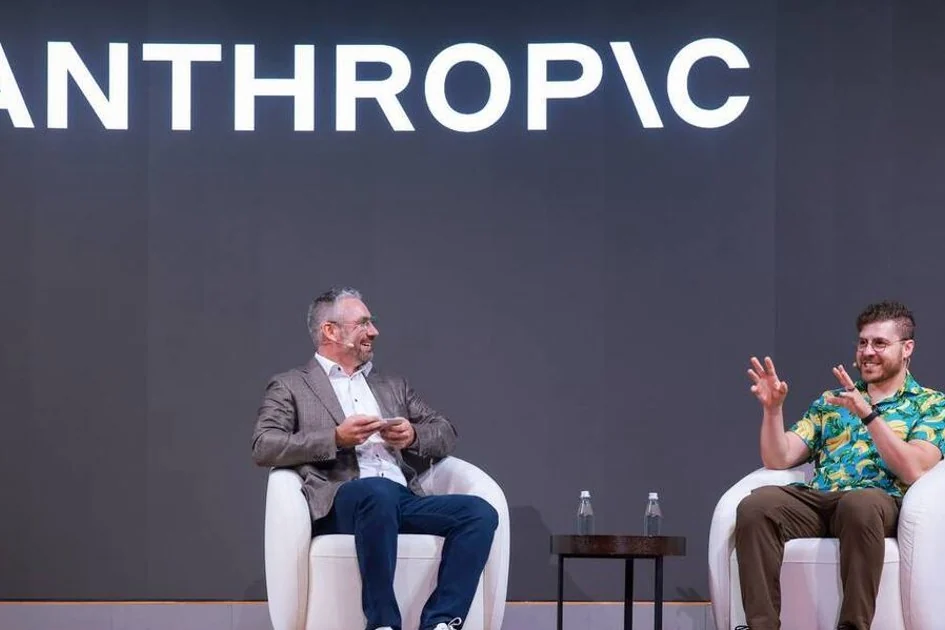
Anthropic signed an MOU with Singapore to evaluate AI models for safety and responsible adoption. Here's what that means for teams building on top of frontier models.
Anthropic has signed a memorandum of understanding with Singapore to evaluate AI models for safety and responsible adoption, The Straits Times reported on October 14, 2026. The agreement covers model evaluation work, with safety and security as the stated focus.
What the deal actually commits to
An MOU is not a contract with teeth, and it is not a regulation. It is a framework for two parties to cooperate, and the substance here is narrow: Anthropic and Singapore will work together on evaluating AI models, framed around safety and responsible adoption. The Straits Times report does not detail funding, headcount, timelines, or which specific models get tested.
That vagueness is normal for this kind of announcement and also the most important thing about it. Nothing in the agreement, as reported, changes what Anthropic ships, what it charges, or what its API does. If you are running a product on Claude today, this announcement does not alter your integration, your rate limits, or your terms of service.
Why a government wants to be in the evaluation loop
Singapore has spent years positioning itself as a jurisdiction where AI companies can operate with regulatory clarity rather than regulatory surprise. Signing an evaluation agreement with a frontier lab is a way to get early visibility into how models behave before they are widely deployed, without passing a law that would push those labs elsewhere.
For Anthropic, the calculus is similar in reverse. Frontier labs have been arguing that safety evaluation should happen in partnership with governments rather than through unilateral mandates, and each MOU is evidence for that argument. It also gives Anthropic a credible regional story as it competes for enterprise and public-sector deals across Southeast Asia, where data sovereignty and local governance expectations carry real weight in procurement.
Both sides get something. Singapore gets a seat at the table. Anthropic gets a reference point it can cite in other markets.
What this means if you build on frontier models
The practical read for developers, product managers, and marketers is indirect but not trivial.
Evaluation frameworks tend to become de facto standards. When a government and a lab agree on how to test models for safety, the criteria they develop have a habit of showing up later in procurement requirements, compliance checklists, and enterprise security reviews. If you sell into regulated sectors or into Singapore and its neighbors, the vocabulary coming out of arrangements like this one will eventually appear in the questionnaires your buyers send you.
Second, model behavior can shift as a result of evaluation pressure. A lab that is being tested by a government partner has an incentive to harden refusal behavior, tighten output filtering, or adjust how models handle sensitive categories. Those changes surface to you as API behavior changes, sometimes without a version bump that reads as significant. Teams that pin model versions and test their own prompts against changes will absorb this better than teams that always call the latest alias.
Third, and this is the part most marketing teams miss: safety positioning is becoming a sales asset. If your product touches regulated data, being able to say your underlying model provider participates in government evaluation programs is a line that will land in RFPs. It is not a differentiator on its own, but it removes an objection.
What to watch next
The MOU itself is the least interesting part. Watch for three things.
Whether this produces published evaluation methodology. An agreement that generates a public testing framework is worth far more to the industry than one that stays behind closed doors, because published criteria can be adopted by other labs and other governments.
Whether other labs sign similar arrangements with Singapore. A single MOU is a bilateral gesture. Three or four would signal that the city-state is becoming the default neutral venue for frontier model evaluation in Asia, which changes where compliance-minded teams route their infrastructure.
And whether any of this shows up in Anthropic’s model release notes. If evaluation findings start shaping what gets shipped and when, that is the point at which an MOU stops being a press release and starts being a constraint you plan around.
For now, treat this as a signal about direction rather than a change you need to act on. The direction is clear enough: governments want a formal role in testing frontier models before deployment, and labs are willing to give them one. The teams that track how those evaluation criteria evolve will have an easier time when the criteria reach their own contracts.
Source: The Straits Times